15–75% hike reshapes Gurugram property registration costs
Register InterestIn what industry observers call one of the steepest annual revisions in recent years, Haryana's Department of Revenue & Disaster Management implemented a sweeping circle rate (collector rate) revision across Gurugram from April 1, 2026. The revision brings hikes of 15% to 75% depending on locality, signalling a decisive government effort to align official property valuations with actual market transaction values. For homebuyers, investors, and sellers, the implications are immediate and material—touching everything from stamp duty bills to loan approvals to future resale benchmarks.
Circle rates are the government's minimum benchmark valuation for property registration. No transaction can legally be registered below this floor, regardless of the negotiated price between buyer and seller. When circle rates rise, the calculation of stamp duty—which runs 7% for men, 5% for women, and 6% for joint male-female registration in Haryana's urban areas—moves higher even if the actual sale price remains unchanged. For a 300 sq yard residential plot valued at ₹1.75 crore under the old circle rate, the new benchmark rises to approximately ₹2.54 crore. At 7% stamp duty, the minimum duty obligation jumps from ₹12.3 lakh to ₹17.8 lakh—a difference of over ₹5 lakh from the notification alone.
The revision is far from uniform across the district. Data from the District Gurugram administration shows that approximately 51% of the district's area saw no change in rates, roughly 11% experienced hikes as steep as 75%, and the remainder fell somewhere in between. Established sectors such as Sector 29 saw gentler revisions around 15%, reflecting a maturing market in steady-state zones. In contrast, high-growth corridors have borne the brunt of adjustment. The Dwarka Expressway, a critical economic artery housing MNCs, auto clusters, and warehousing networks, saw commercial rates surge by as much as 75%, with residential sectors 104 to 115 projecting a 30% rise to approximately ₹2,24,796 per square yard. The Southern Peripheral Road (SPR), another infrastructure-led growth belt, saw sectors 63, 63A, 64, and 67 anticipating a 45% hike to ₹84,825 per square yard.
This variation between growth corridors and established sectors reflects a deliberate policy calibration. The widening gap between official circle rates and actual market prices had become a structural problem. For years, buyers and sellers routinely registered properties at substantially lower notified values to minimize tax outgo, a practice that eroded government stamp duty revenue and distorted formal market signalling. The gap also invited income-tax scrutiny under deemed-income provisions. By narrowing the circle-rate-versus-market spread, the state aims to formalize transactions, boost registration revenue—Gurugram is Haryana's largest single source of stamp collections—and encourage cleaner, more transparent deal structures. Expert analysis from Square Yards noted that the revision reflects a clear shift toward market-aligned pricing, with the goal of reducing property under-declaration, boosting government revenue, and encouraging fairer dealings.
For individual buyers, the immediate effect is higher acquisition cost. Those purchasing in high-growth sectors face a dual squeeze: the circle rate itself has risen, lifting the stamp duty floor, and developers and sellers, sensing tighter buyer budgets, may adjust asking prices or concession terms. In zones where the market rate had already run far ahead of the circle rate—a common pattern in Dwarka Expressway developments—registering at the new, higher circle rate while negotiating separately on price is now standard practice. However, registering at a stated value while paying more in unaccounted cash remains illegal, destroys cost basis for capital gains calculation, and leaves buyers defenceless in any dispute.
Lenders also use circle rates as a floor when assessing property before approving loans. A higher circle rate can lower the loan-to-value ratio a bank is willing to offer, requiring larger down payments from buyers. This compounds the cost pressure, especially for first-time buyers or those with moderate financing capacity. Conversely, in sectors where the new circle rate now sits closer to actual transaction prices, transparency is improving and the incentive for under-the-table deals is shrinking. In the medium term, this normalization supports cleaner market functioning and more reliable price discovery.
For sellers and property holders, the timing depends on context. Owners in established zones with moderate rate increases may see minimal cash-flow impact. Those holding land or older properties in high-growth corridors may face stronger downward pressure from buyers adjusting for higher registration costs. Resale benchmarks are also being reset. Properties that were registered years ago at lower circle rates now face buyers anchoring to new, higher notified values, making historical price comparisons obsolete.
The 2026 revision is part of Haryana's broader effort to modernize its property valuation framework. Authorities periodically update rates to reflect infrastructure growth, rising demand, and rapid urban expansion. Gurugram's transformation from a satellite city to a major industrial, logistics, and corporate hub has been unprecedented; the new rates attempt to capture that reality. However, the revision also carries a cautionary note: in corridors where the hike overshot actual market dynamics, some resale transactions now occur at or barely above the new circle rate, creating an artificial floor that may dampen short-term deal velocity. This pattern is particularly visible in emerging zones where early-stage buyers are reassessing holding periods before resale.
For those currently buying or planning to, the revised circle rates are both a cost factor and a market signal. The cities are entering a more structured, more transparent phase of development. Buyers should factor higher registration costs into their budgets, confirm exact circle rates for their specific locality via the District Gurugram website, and recognize that these rates are now integral to loan approvals and resale valuation. The revision chases the market; it rarely catches it entirely. Even after a 75% hike, corridor rates mostly sit below what deals actually close at, telling buyers and investors that strong demand fundamentals persist beneath the headline noise.

Dubai, UAE
Configuration TBA • Price on Request
M3M's first international residential project in Dubai
Gurugram & adjoining areas
TBA • Price on request
500-acre land bank, ₹2,500 Cr acquisition
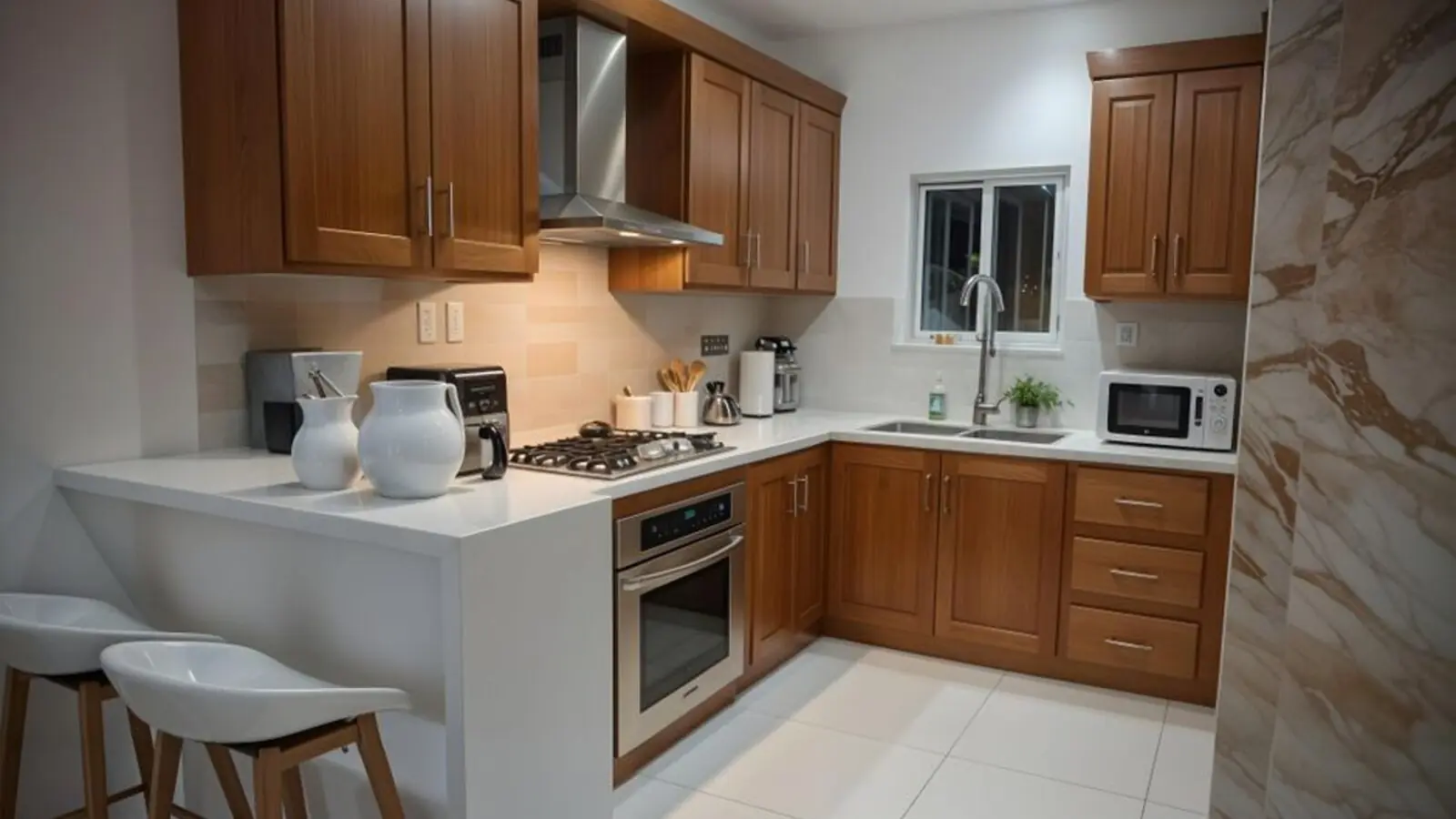
NH-44, Kurukshetra
Residential Plots • Price on Request
Freehold plots on NH-44 corridor

Sector 43, Golf Course Extension Road, Gurugram
SCO Plots, Retail, Office • Rs 2.5 Cr onwards
5.8-acre SCO precinct by Bentel Associates

Sector 83, Gurugram
Retail Shops, Food Court & Office Spaces • Rs 60 Lakh onwards
NH-8 & Dwarka Expressway junction
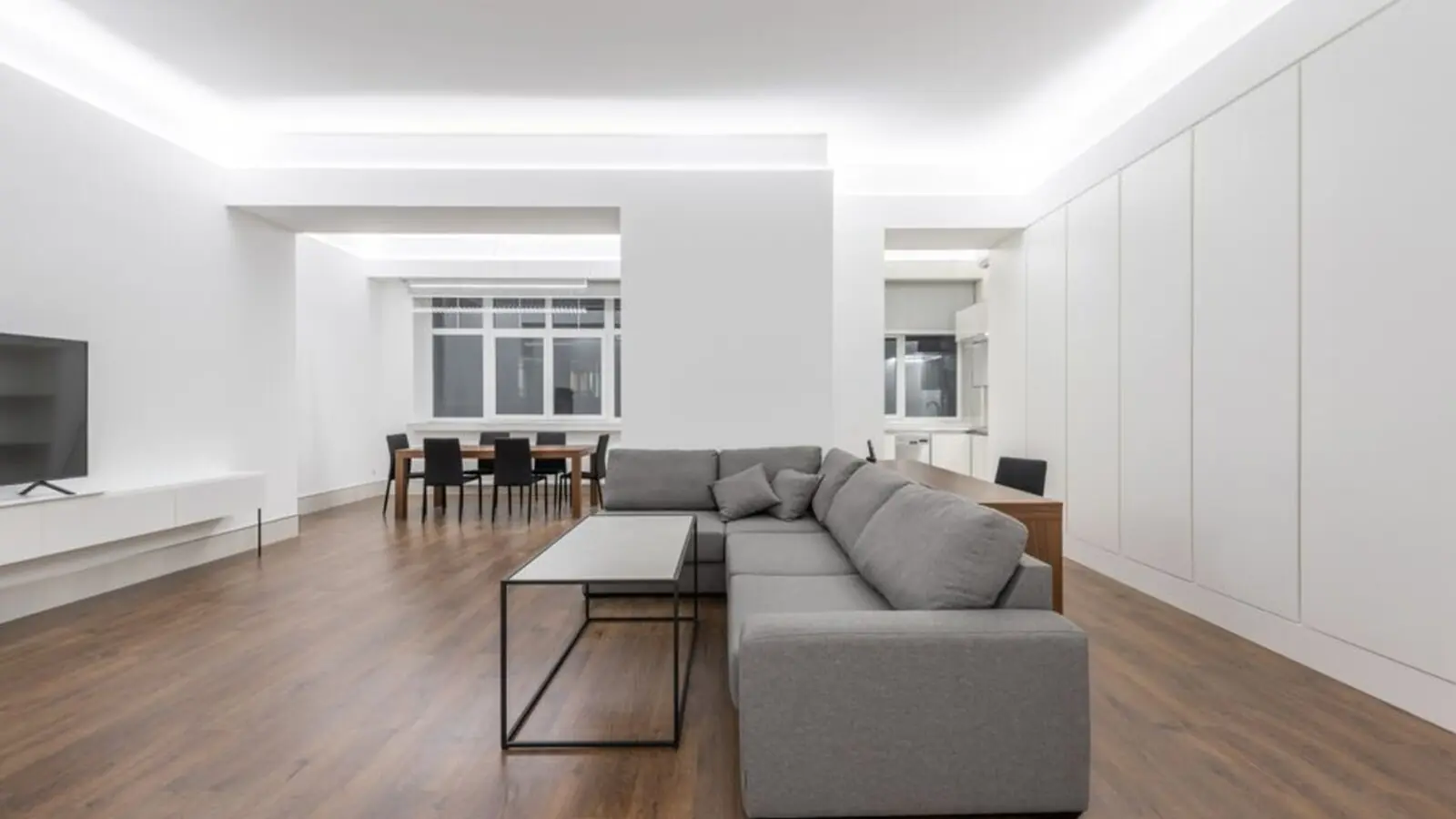
Sector 94, Noida
3, 4, 5 BHK • Rs 5.90 Cr onwards
Skyline & golf-course facing towers on Noida Expressway

Naraingarh, Ambala
2, 3, 4 BHK • Price on Request
On the Ambala-Chandigarh Expressway

Jammu, Jammu
2.5, 3.5, 4.5 BHK • On Request
50,000 sq ft clubhouse, Tawi River valley views
Provided for information only. Not an offer, solicitation, or contract. Specifications, pricing, and timelines are subject to change without notice. Verify all data independently prior to any decision. About · Projects
Share your details and our expert will call you back.